A Week of Quiet Numbers: Getting Home Blood Pressure Readings Right
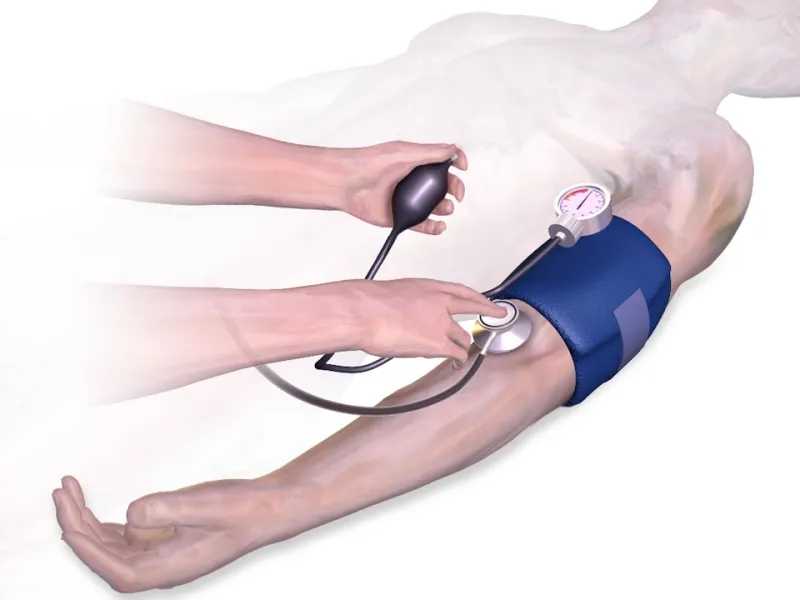
Photo: BruceBlaus, CC BY-SA 4.0, via Wikimedia Commons
Many homes in the UK have a blood pressure monitor somewhere sensible and seldom visited: a bedroom drawer, a cupboard beside the iron, the top shelf in the hall. It may have been bought after a surprising reading at a pharmacy, or inherited from a relative who monitored carefully for years. It is used once, perhaps in a moment of worry, and then put away again.
That is understandable. A single number taken in a hurry tells very little. But a calm, consistent week of readings can tell a GP a great deal. The aim of this article is not to turn anyone into a clinician, but to explain how to gather information that is genuinely useful — and how to know when a reading deserves attention today rather than a note in a diary.
Choosing a monitor that earns its place
Not every device sold online is reliable. In the UK, look for a monitor that appears on a validated list, such as those published by the British and Irish Hypertension Society or STRIDE BP. These lists are updated, so check the model number rather than the brand alone. A validated upper-arm monitor is generally preferred for home use. Wrist monitors can be less consistent unless they have been specifically validated and are used exactly as instructed, with the wrist held at heart level.
Cuff size matters more than many people realise. A cuff that is too small can push the reading up; one that is too large can push it down. Measure the circumference of your upper arm at the midpoint and match it to the cuff range in the manual. If the cuff that came with the monitor does not fit, a replacement is usually available.
It is also worth taking the monitor to a GP or practice nurse appointment, if they are willing, so the reading can be compared with theirs. This is a simple way to check that the device is working as expected and that the cuff is being fitted correctly.
The quiet five minutes before the number
Blood pressure responds to the body and the mind. Rushing in from the cold, answering a message, or climbing the stairs just before pressing start will all leave a mark on the reading. The NHS advises sitting quietly for five minutes before measuring. This is not a ceremonial pause; it is part of the measurement.
Sit in a chair with your back supported and both feet flat on the floor. Do not cross your legs. Rest your arm on a table so that the cuff is at roughly heart level, with the upper arm supported and the palm relaxed. Place the cuff on bare skin, not over a sleeve, and make sure the lower edge sits about two to three centimetres above the elbow crease.
Avoid caffeine, smoking, and exercise for at least 30 minutes beforehand. Empty your bladder first. Do not talk during the reading, and keep still. These details may sound fussy, but they are the difference between a number that reflects your usual blood pressure and one that reflects the last ten minutes of your life.
Two readings, a minute apart
A common mistake is to take one reading and treat it as final. The NHS asks for two readings, taken one minute apart, each time you measure. Record both, not an average you have calculated in your head. If the two differ considerably, take a third reading and record that as well.
For a week-long record, the usual pattern is two readings in the morning and two in the evening, ideally at roughly the same times each day. Some GP practices ask for readings for seven days and may suggest leaving out the first day, when readings are often higher. Follow the instructions you have been given; if none were given, a seven-day record with morning and evening pairs is a reasonable starting point.
Write down the date, time, and both numbers — the higher systolic figure and the lower diastolic figure — along with your pulse if the monitor shows it. A simple notebook is fine. So is a spreadsheet or the memory function on the monitor, provided you can show the results clearly. What matters is that the GP can see the pattern, not just a single figure.
A cold November morning and the single high number
Blood pressure naturally rises in cold weather. A reading taken on a frosty morning, shortly after getting out of a warm bed and before the heating has settled, may be higher than one taken on a mild afternoon in June. Pain, stress, a full bladder, a conversation, or a cuff that is too tight can all add to the number.
This is why one high reading is rarely the whole story. It is information, not a verdict. If the reading is modestly above your usual range and you feel well, the sensible response is to note it, rest, and take another reading later in the day. Do not panic, and do not start adjusting any prescribed medicine on your own.
There are, however, readings that should not wait. If your monitor shows a very high reading — for example 180/120 or above — and you have symptoms such as chest pain, severe headache, breathlessness, weakness or numbness in the face or limbs, confusion, or changes in vision, call 999. If a reading is very high but you feel well, contact your GP practice or NHS 111 for urgent advice. If you feel unwell and are unsure, it is always reasonable to seek help rather than sit with the number alone.
What the GP is looking for
When you take a week of readings to an appointment, the GP is not looking for a single perfect number. They are looking for a pattern: how your blood pressure behaves across days, whether it is consistently above target, and whether it changes with time of day or with symptoms. A home record can reduce the need for repeated clinic visits and can sometimes avoid the effect of a stressful appointment.
Keep the record concise. A page of dates and paired readings is more useful than a long narrative. If you have been asked to monitor for a specific reason, such as starting or changing medication, mention that at the start of the appointment. If you have a home monitor that has been sitting unused, this may be the week to bring it out — not to frighten yourself with a single number, but to build a calm, useful picture.
This article is general guidance and not a substitute for individual medical advice. If you are concerned about your blood pressure, speak to your GP practice, a pharmacist, or NHS 111.