Short Days, Steady Habits: Vitamin D Guidance for a UK Winter
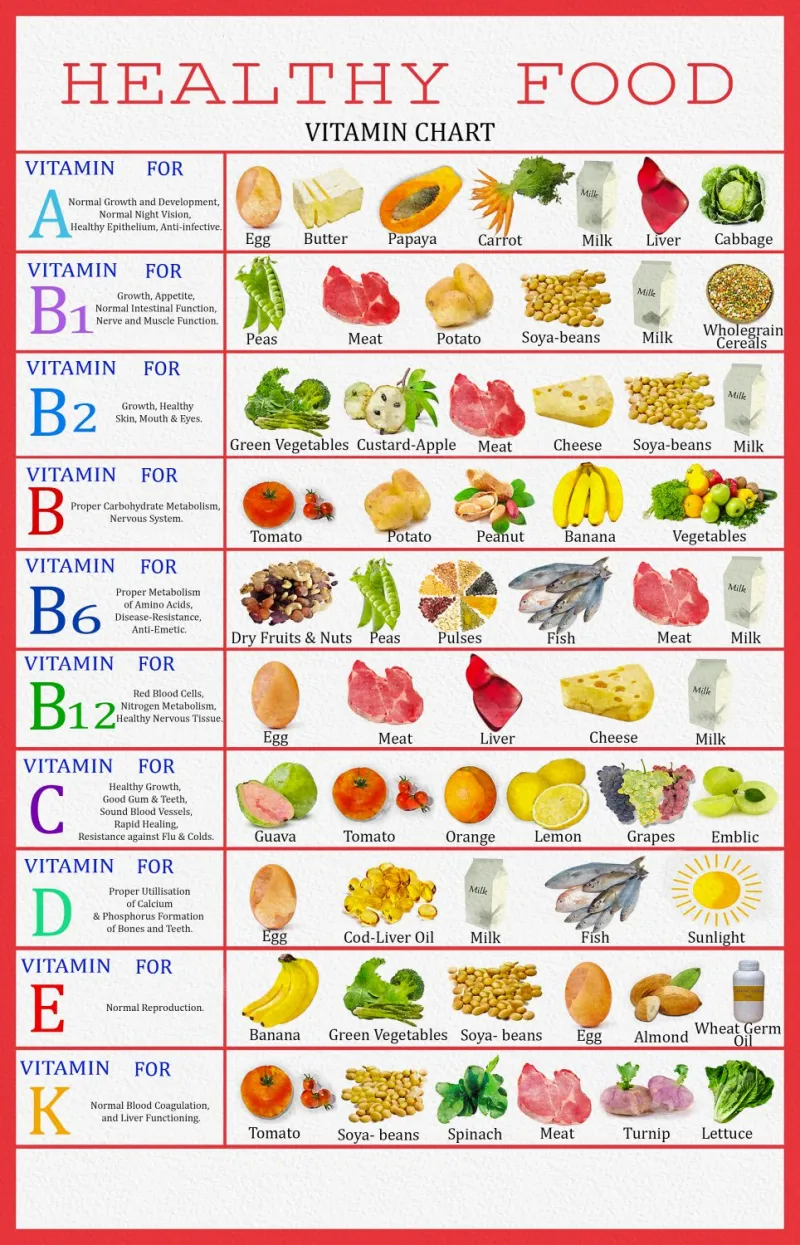
Photo: vitamin D supplement bottle on kitchen table with winter daylight UK, via s.ecrater.com
Why winter light changes the calculation
In the UK, the sun sits low in the sky from around October to March. Even on a bright, cold morning, the type of ultraviolet B light that helps the skin make vitamin D is in short supply. Cloud cover, short daylight hours, indoor work and the habit of covering up all reduce exposure further. For many people, winter sunlight is not a reliable source of vitamin D, however good it feels to get outside.
That is not a reason for alarm. It is simply a seasonal fact that NHS advice already takes into account. The practical response is modest: think about a daily supplement, keep an eye on food sources, and avoid turning a small piece of routine into a complicated project.
What the NHS advice means in ordinary language
The NHS advises that adults and children over the age of four should consider taking a daily supplement containing 10 micrograms of vitamin D during autumn and winter. Ten micrograms is the same as 400 international units, often written as 400 IU. Some people are advised to take a supplement all year round: those who spend much of their time indoors, people who cover their skin when outside, and people with darker skin, because darker skin needs more sun exposure to make the same amount of vitamin D.
There are separate doses for pregnancy, breastfeeding and young children. Pregnant and breastfeeding women are usually advised to take 10 micrograms daily throughout the year. Children aged one to four are also usually advised to take 10 micrograms daily, while babies have different recommendations depending on their feed and age. If you are unsure, a pharmacist or health visitor can clarify the right dose for a household member without a lengthy appointment.
Who may benefit most from a winter supplement
A daily supplement is a sensible precaution for many adults in the UK during winter, but some groups have a stronger case for it. Older adults may spend more time indoors and may absorb vitamin D less efficiently. People with darker skin, those who wear clothing that covers most of the skin for cultural or religious reasons, and anyone who works indoors during daylight hours may also find that winter sun exposure is not enough.
People who live in care homes, those who are housebound, and anyone who has been advised by a clinician to take vitamin D should treat it as part of their regular routine. If you have a condition that affects vitamin D absorption, or you take medicines that interact with vitamin D, check with your GP or pharmacist before starting a supplement. For most otherwise healthy adults, the standard winter dose is a simple, low-risk step.
Choosing a supplement without overcomplicating it
Vitamin D supplements are sold in many forms: tablets, capsules, drops and sprays. The form matters less than the amount and the habit. Look for a product that states the dose clearly on the label, and choose one that suits your routine. A small tablet taken with breakfast may be easier to remember than a spray kept in a cupboard. If you already take a multivitamin, check whether it contains vitamin D before adding a separate supplement, so that you do not accidentally take more than you intended.
Some people prefer a vegan or vegetarian source. Vitamin D2 is usually plant-based, while vitamin D3 can be derived from lanolin or, less commonly, from lichen. Both can help, but check the label if this matters to you. There is no need to buy the most expensive product. A straightforward own-brand supplement that meets the stated dose is usually sufficient.
Safety points worth knowing
Ten micrograms a day is a low dose and is considered safe for most adults. The NHS advises that adults should not take more than 100 micrograms, or 4,000 IU, of vitamin D a day unless a doctor has advised it. Taking too much over a long period can cause harm, so avoid stacking several supplements that each contain vitamin D. If you have been prescribed a higher dose, follow the prescription and do not add extra supplements on top.
Vitamin D supplements are not a treatment for fatigue, low mood or bone pain on their own. These symptoms have many possible causes, and it is better to discuss persistent concerns with a GP than to self-diagnose a deficiency. Routine vitamin D testing is not usually needed for healthy adults who take a standard supplement, but a clinician may arrange a blood test if there is a specific reason.
Food and routine ideas for darker months
Food can contribute to vitamin D intake, although it is difficult to get enough from diet alone in winter. Oily fish such as salmon, mackerel and sardines are useful sources. Eggs, some fortified breakfast cereals, fortified spreads and fortified plant milks also provide small amounts. In the UK, some mushrooms are treated with ultraviolet light to increase their vitamin D content, and the label will say so if this applies.
A calm routine is more useful than a perfect one. Keep the supplement beside the kettle or the breakfast bowl. Set a phone reminder for the same time each day. If you take other daily medicines, store vitamin D with them, but keep all medicines out of reach of children. Pair the supplement with a short outdoor walk when the light is best, not because winter sun will make enough vitamin D, but because daylight, movement and fresh air support general wellbeing.
A measured approach to the season
Vitamin D is one of the few winter health topics with a clear, simple public health message. The UK's low winter sun means that a daily 10-microgram supplement is a reasonable habit for many people, alongside sensible food choices and time outdoors. It does not need to become a source of anxiety or an expensive experiment. Check the label, keep the dose steady, and ask a pharmacist if your circumstances are different. In the darker months, small consistent habits tend to serve us better than dramatic resolutions.