When the Radiators Hum: A Measured Approach to Itchy Winter Skin

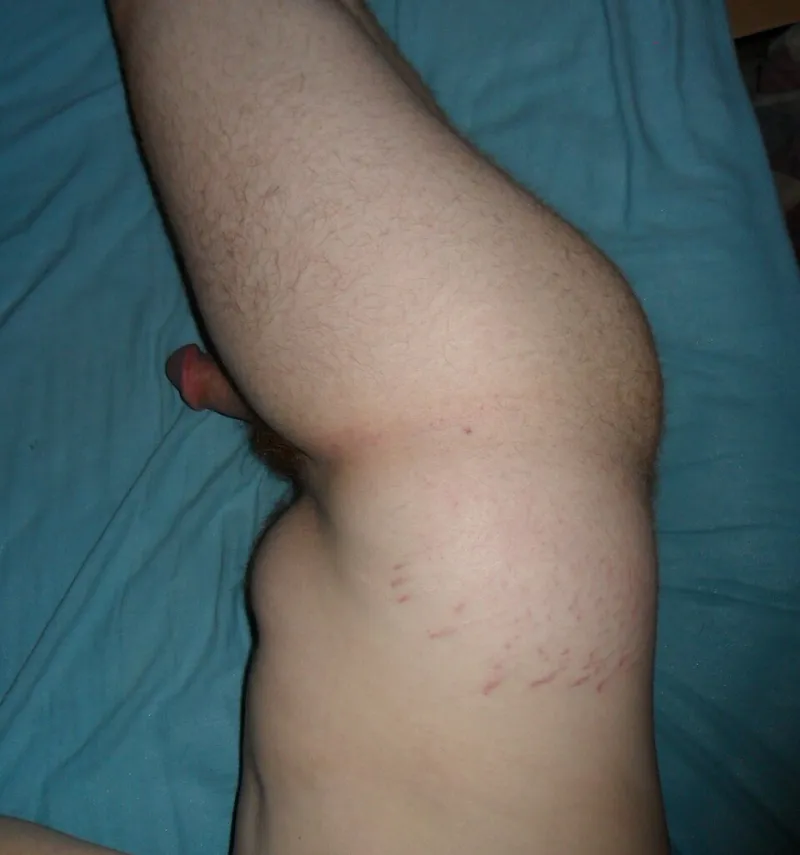
Photo: synthia k., CC BY 2.0, via Wikimedia Commons
Winter skin rarely arrives dramatically. It tends to begin quietly: a little tightness after a shower, a tickle along the forearms, a patch on the shins that becomes harder to ignore once the heating is on. For many people in the UK, this is a familiar seasonal pattern rather than a sign of anything serious. It is also a pattern that responds well to a few steady, unremarkable adjustments.
The indoor climate matters
Central heating does not simply warm a room; it also tends to dry the air. Add long evenings indoors, hot baths and extra layers, and the skin can lose moisture faster than it is replaced. The aim is not to turn the home into a conservatory, but to avoid making the indoor environment unnecessarily harsh.
Keep rooms comfortably warm rather than tropical, especially bedrooms. Brief ventilation, even on cold days, helps refresh the air without chilling the whole house. If the air feels very dry, a bowl of water near a radiator is a traditional remedy, though a properly used humidifier may be more consistent; either way, the main work is done by protecting the skin itself.
Rethink washing and moisturising
Hot water and lengthy showers can strip away the skin's natural oils. A lukewarm shower, kept fairly short, is kinder. Soap-based products can be drying, particularly on already irritated skin, and a pharmacist can advise on soap substitutes and emollients suitable for everyday use.
The timing of emollient application matters. Pat the skin dry rather than rubbing vigorously, then apply emollient within a few minutes while the skin is still slightly damp. This helps trap moisture. Lotions are light and easy to spread; creams are often a good middle ground; ointments are thicker and more occlusive. The best choice is usually the one a person is willing to use consistently.
Emollients should be applied in the direction of hair growth, not rubbed in vigorously. For anyone using a prescribed emollient, follow the instructions given by the GP or pharmacist. Some products carry fire-risk warnings, so it is sensible to keep treated skin and clothing away from naked flames and to follow the label carefully.
Layers that breathe
Wool is excellent for warmth but can be prickly against sensitive skin. Wearing a soft cotton layer underneath reduces direct contact. Avoid tight cuffs, elasticated waistbands and scratchy labels where possible. Gloves should be comfortable rather than restrictive, and damp clothing should be changed promptly after getting caught in rain or snow.
Bedding deserves a moment's thought too. Overheating at night can lead to sweating and itching. Light layers that can be adjusted are often more comfortable than a single heavy duvet. Non-biological washing powder and an extra rinse may help those who notice irritation from laundry products, though this is not necessary for everyone.
What the pharmacy can offer
Community pharmacists are well placed to advise on mild dryness, itching and simple eczema flares. They can suggest emollients, soap substitutes and over-the-counter treatments, and they will refer on when a condition looks more complicated. It is worth taking a list of current medicines and describing how long the skin has been troublesome, what makes it worse and whether sleep is affected.
Pharmacists can also help distinguish between simple dryness and something that may need a different approach, such as contact dermatitis from a new toiletries product or a flare of eczema. They cannot diagnose every skin condition, but they are a sensible first stop for many everyday problems.
When a GP review is sensible
Most winter dryness improves with consistent home care. A GP appointment is reasonable if the skin is not improving despite a regular emollient routine, if itching is disturbing sleep night after night, or if the problem is spreading and affecting daily life. Signs of infection, such as weeping, crusting, increased redness, pain or feeling unwell, should prompt medical advice promptly. Sudden severe rashes, blistering or skin that becomes painful and hot also warrant attention.
For people with known eczema, psoriasis or another long-term skin condition, a review may be useful if the usual routine is no longer holding things steady. It is not a failure to ask for help; winter can be a genuinely harder season for the skin, and a short conversation can clarify what to change.
A calm evening routine
A workable routine need not be elaborate. Keep a plain emollient beside the sink and in the bathroom. Shower briefly in lukewarm water, pat dry, moisturise, and dress in soft layers. Keep the bedroom cool rather than cold, and avoid the temptation to compensate for a chilly evening with a very hot bath. Small, repeatable habits are more useful than an occasional heroic effort.
The itchy season is uncomfortable, but it is usually manageable. With a little attention to indoor warmth, washing habits and emollient use, most people can keep winter skin calmer and know when it is time to ask for a professional opinion.