When the Dark Arrives Early: Rethinking the 4pm Slump in a UK Winter
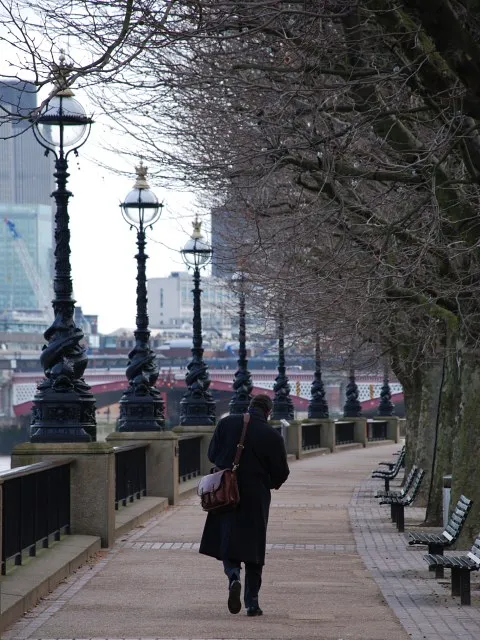
Photo: Patrick Mackie, CC BY-SA 2.0, via Wikimedia Commons
By late November, many UK workers experience a familiar sequence: the desk lamp goes on, the sky outside the office window turns slate grey, and by 4pm the brain seems to have left the building. In a country where sunset can arrive before the commute home, this is less a character flaw than a predictable collision of biology, routine and environment. The aim is not to "biohack" your way through winter, but to work with the season in a calm, practical way.
Why the clock and the sky disagree
Your body clock takes its cues from light, especially light early in the day. During a UK winter, many people travel to work in dim light, spend the day under artificial lighting, and then travel home after dark. The result is a compressed window of natural daylight, often spent indoors. That matters because light is a powerful signal for alertness, mood and the timing of sleep. When daylight is scarce and office lighting is modest, the brain receives less of the signal that says "it is daytime".
Hybrid working adds another layer. A day at home may mean fewer incidental walks, less exposure to daylight through a commute, and a blurred boundary between work and rest. A day in the office may mean a bright train carriage, a windowless meeting room and a rushed lunch. Neither pattern is inherently bad, but both can make the afternoon dip more noticeable. The 4pm fade is usually a normal response to cumulative factors rather than a sign of illness. It becomes worth investigating when it is persistent, severe or accompanied by other symptoms.
Light is a signal, not a luxury
Practical light exposure does not require elaborate equipment. A short walk outdoors after waking, even on a cloudy day, can help anchor the body clock. At lunchtime, a ten-minute circuit of the block or a walk to a nearby shop may provide more useful light than sitting by a window, although a desk near natural light is still helpful. If you work from home, consider taking a call while walking or standing near a window rather than in a dim corner.
In the evening, the goal is not to avoid all light but to reduce the contrast that can make late-night screens feel more stimulating than they need to. Dimmer lamps, warmer bulbs and a clear end to work notifications can support the transition towards rest. None of this needs to be perfect. A consistent wake-up time and a little daylight are usually more useful than an elaborate routine.
Lunch that steadies rather than sedates
The midday meal can shape the afternoon more than many people expect. A very large, heavy lunch, especially one high in refined carbohydrates and low in protein or fibre, may leave some people feeling sluggish. So can skipping lunch altogether and then relying on biscuits at 3pm. A balanced option might be soup with wholemeal bread and a source of protein, a bean salad, or a sandwich with tuna, egg or hummus plus fruit. The aim is steady energy rather than a feast followed by a slump.
Hydration matters too. Central heating, hot drinks and busy days can make mild dehydration easy to miss. Keep water within reach and notice whether headaches, dry mouth or difficulty concentrating are part of your afternoon pattern. Alcohol at lunch is best avoided on working days, not for moral reasons but because it can disrupt alertness and sleep quality.
Caffeine: a loan, not a gift
Caffeine can improve short-term alertness, but it does not create energy. It borrows it, and the repayment may come later. Many people find that caffeine after early afternoon affects sleep, even if they fall asleep without difficulty. If the 4pm slump is followed by a strong coffee, that may worsen the following day's tiredness by reducing sleep quality. A practical approach is to bring the last caffeinated drink forward, perhaps to midday or early afternoon, and to choose decaf or water later in the day.
The right cut-off varies between people. If you are sensitive to caffeine, or if you already struggle to fall asleep, experiment gently rather than changing everything at once. The point is not to demonise coffee but to notice whether it is masking a sleep debt that only sleep can repay.
Movement breaks for dark commutes and hybrid days
When the light fades early, movement becomes a useful source of alertness. It does not need to be a workout. Standing up every hour, taking the stairs, walking to fill a water bottle or doing a few minutes of gentle mobility can interrupt the physical stillness that often accompanies afternoon fatigue. On a dark commute, getting off one stop earlier or walking the final part of the journey can add light and movement without adding much time.
Hybrid workers may benefit from a small transition ritual at the end of the working day: a short walk, a stretch, or simply closing the laptop and moving to another room. This helps mark the boundary between work and rest, which can otherwise dissolve in winter when the evening feels like an extension of the afternoon.
Sleep pressure and the evening rebound
Afternoon energy is also shaped by how much sleep pressure has built up and how well the previous night went. A consistent wake-up time is often more helpful than chasing a perfect eight hours. Long naps late in the day can make it harder to sleep at night, while a short nap early in the afternoon may suit some people. If you snore heavily, wake unrefreshed or feel sleepy during the day despite enough time in bed, mention this to a GP or pharmacist, as sleep problems such as sleep apnoea are worth assessing.
When tiredness deserves a GP conversation
Winter tiredness is common, but persistent fatigue is not something to dismiss indefinitely. Consider booking a GP appointment if tiredness lasts for several weeks, affects work or daily life, or comes with breathlessness, palpitations, pallor, unusual hair loss, heavy periods, low mood, weight change or increased thirst. A GP may arrange blood tests to check for iron deficiency, vitamin B12 or folate deficiency, thyroid problems or vitamin D deficiency. In the UK, vitamin D supplements of 10 micrograms daily are recommended during autumn and winter for most people, but higher doses should not be taken without advice.
This is not a reason to panic. It is simply a sensible check when the pattern does not fit the season. The 4pm fade is often manageable with light, food, movement and sleep. When it persists, calm investigation is better than another coffee.
A realistic 4pm plan
At 4pm, try one small action rather than a complete overhaul: step outside for five minutes, drink a glass of water, do a short set of stretches, or move the most demanding task to the following morning. Notice what helps over a week rather than judging a single afternoon. Winter is not a season for relentless productivity; it is a season for adjusting the pace without abandoning the basics.