The Second Glass, Thought Through: Alcohol and Everyday Medicines at Christmas
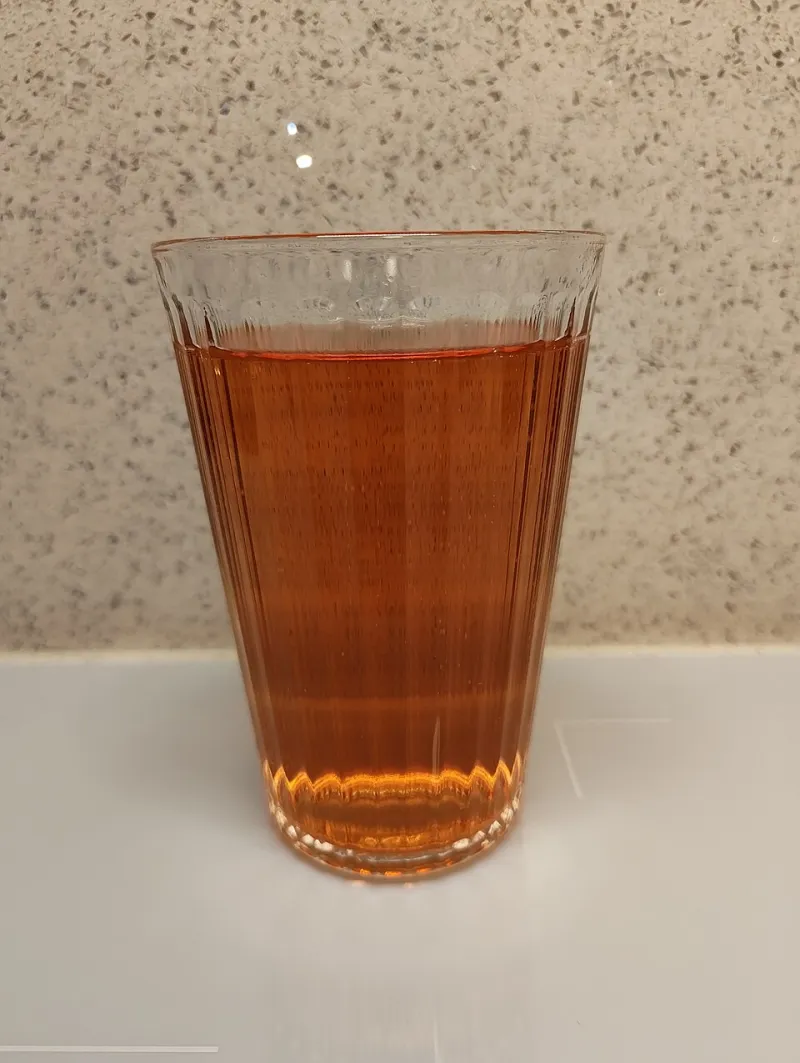
Photo: Smirkybec, CC BY 4.0, via Wikimedia Commons
Most people do not set out to mix alcohol and medicines carelessly. What tends to happen is simpler: the routine tablets are taken as usual, a Christmas meal stretches into the evening, and nobody quite remembers whether the two things were meant to sit together. There is no need for alarm in that, and no need for a lecture either. What helps is a little information, applied calmly, before the season gets busy.
Why the Combination Deserves a Second Look
Alcohol is not a neutral drink. It widens blood vessels, shifts blood sugar, dulls alertness and is broken down by the liver — the same organ that handles many medicines. That does not make every combination dangerous, and for plenty of people an occasional drink alongside a stable prescription is uneventful. But the interaction is real enough to be worth two minutes of thought, particularly in December, when both the number of drinks and the number of late nights tend to rise together.
A useful way to think about it is in two directions. Alcohol can amplify a medicine's effect — more drowsiness, more dizziness — or it can work against it, for instance by pushing blood pressure or blood sugar in an unhelpful direction. Occasionally it affects how the medicine itself is processed.
The Everyday Painkillers
Paracetamol is the one most households reach for, and for most adults an occasional drink alongside the standard dose is not a concern. The caution lies in the cumulative picture. Regular heavy drinking combined with paracetamol puts strain on the liver, and it is easy to exceed the daily limit without noticing: the 500mg tablets, the cold-and-flu sachets, the night-time capsule and the co-codamol from the cupboard can all contain paracetamol. The adult ceiling is 4,000mg in 24 hours, and it is worth counting across every product, not just the box you opened most recently.
Ibuprofen and aspirin belong to a group that can irritate the stomach lining, and alcohol does the same. Together they raise the risk of gastric discomfort and, less commonly, bleeding. If you are dehydrated after a long evening, the kidneys also feel the combination more keenly. Codeine-based painkillers add their own drowsiness and constipation, which alcohol does not improve.
Blood Pressure and Heart Medicines
Alcohol can lower blood pressure in the short term and raise it over time, which makes the picture with tablets a little uneven. A glass of wine with dinner may leave you feeling light-headed on standing, particularly with medicines such as amlodipine, ramipril, bisoprolol or a diuretic, and particularly if you have not eaten. Falls matter more than people expect, especially for older readers and anyone already a little unsteady on frosty pavements.
Two practical points help. First, do not skip a dose to make room for a drink — the tablets are doing a job and the missed dose is the greater risk. Second, if you monitor at home, keep taking readings as usual and note down what you observe. A pattern is more useful to your GP than a single unusual number.
Diabetes Treatments
This is the area where timing genuinely matters. Alcohol can lower blood glucose, and the effect can arrive hours later, including overnight. For people on insulin or a sulfonylurea such as gliclazide, that makes a delayed hypo a real possibility. Metformin carries a small additional caution with heavy drinking, and can upset the stomach on its own.
The sensible habits are not complicated: eat something alongside the drink, check your glucose as you normally would, keep a fast-acting hypo treatment within reach, and make sure whoever you are with knows what to do. If you are on insulin and unsure how a festive meal will land, your diabetes team or pharmacist is the right person to ask in advance.
Sedating Medicines and Sleep Aids
Alcohol and anything sedating compound each other. That includes over-the-counter sleep aids and antihistamines, prescribed sleeping tablets, benzodiazepines, opioid painkillers and many antidepressants. The result can be more than a heavy night: slowed breathing, poor coordination and a much higher risk of a fall or an accident the following morning, when the effects have not fully cleared. Alcohol also fragments sleep, so the rest you were hoping for tends to arrive in pieces.
When the Label Says No Alcohol
A few antibiotics — metronidazole and tinidazole are the classic examples — should not be mixed with alcohol at all, including the small amounts found in some mouthwashes and liquid medicines. The reaction is unpleasant rather than dangerous for most people, but it is easily avoided. Some cough syrups and herbal tinctures also contain alcohol themselves, which is worth noting if you are counting.
What the Leaflet Tells You
The patient information leaflet inside the box has a section on other medicines and alcohol, and it is worth a glance for anything new. Not every leaflet is explicit, so look also for words such as drowsiness, dizziness, liver, stomach and bleeding. If you keep a repeat prescription list — on paper or in the NHS App — that is the document to bring along.
A Fair Middle Ground
UK guidance suggests no more than 14 units a week for both men and women, spread over three or more days, with some drink-free days. That is a ceiling, not a target, and it does not account for medicines. A reasonable approach for most people on a stable prescription is to keep well within it, eat properly, alternate drinks with water and avoid drinking on an empty stomach. Modest and steady is easier on the body than a single heavy evening.
Asking a Pharmacist Without the Awkwardness
Community pharmacists deal with this question constantly and without judgement. No appointment is needed, and most pharmacies have a private consultation room. A question that works well is specific rather than apologetic: "I take ramipril each morning — if I have two or three drinks at a Christmas meal, is there anything I should watch for, and does the timing matter?" Bring the box or the repeat list. Mention anything you bought over the counter, too, because those products count.
If you feel unwell after drinking while on medication — unusual drowsiness, a fall, palpitations, or signs of low blood sugar — do not wait it out alone. Call 111 for advice, or 999 if someone is unresponsive or struggling to breathe.
A Short Festive Checklist
- Read the leaflet for any newly prescribed medicine before the first drink.
- Count paracetamol across every product, not just one box.
- Never skip a dose to accommodate alcohol.
- Eat something, and keep water within reach.
- For diabetes, check glucose and carry hypo treatment.
- Ask the pharmacist before the event, not after.
The aim is not abstinence or anxiety. It is simply knowing what you are taking, and enjoying the season with a little more certainty behind the glass.