Coats by the Door: A Christmas Day Stroll That Includes Every Generation
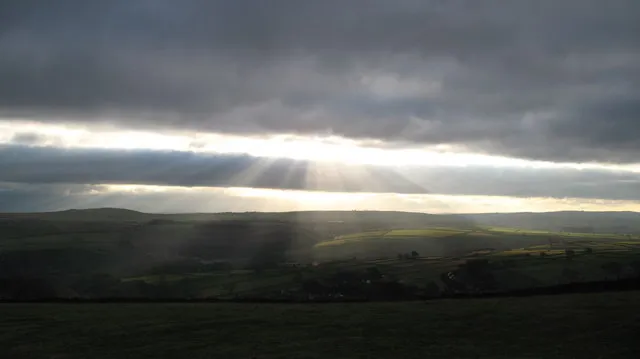
Photo: Andy Barratt, CC BY-SA 2.0, via Wikimedia Commons
Christmas Day can settle into a long stretch of sitting: the meal, the presents, the television, another biscuit. A short walk afterwards is often suggested as a way to break up the afternoon, but the suggestion can land badly if it sounds like an instruction to exercise. At Salengei, the aim is simpler. A gentle stroll, planned around the people who will come with you, can be a small seasonal pleasure. It does not need to be long, brisk or ambitious. It needs to be comfortable enough that everyone who wants to join in can do so without worry.
Start with the people, not the route
Before choosing a path, ask who actually wants to go out. Some relatives will be eager; others may prefer to stay by the fire and keep an eye on the kitchen. There is no need to persuade anyone. A walk that includes every generation works best when it is optional and easy to abandon.
Think about the slowest person in the group, not the fastest. If someone uses a stick, a rollator or a wheelchair, the route must suit wheels and resting points as well as feet. A pavement with a dropped kerb, a bench halfway round and a clear place to turn back will matter more than a pretty view. Children may manage the distance but not the waiting, so a short loop with something to notice along the way is often better than a longer walk with a destination.
Timing: after the plates, before the dark
In the UK, Christmas Day daylight is precious. In many places the light begins to fade by mid-afternoon, so a walk is usually best taken in the early part of the afternoon rather than left until the last minute. Waiting a little after the main meal is sensible. A very full stomach and a steep hill are not a comfortable combination, and nobody needs to be hurried out of the door while the table is still being cleared.
A useful rule is to go when the house feels settled, not when people are still busy. Aim to be back well before dusk. Take a small torch or use a mobile phone light if the walk runs later than expected, and check the forecast before coats go on. A dry, still day is very different from a wet, windy one.
What to wear and what to carry
Layers are more useful than one heavy coat. A thin jumper, a waterproof outer layer and a scarf can be adjusted as the group warms up or stops to talk. Footwear should have a good tread. Christmas Day is not the moment for smooth-soled shoes or new boots that have not been worn in. Warm socks and dry feet make a short walk far more pleasant.
Carry a charged mobile phone, keys and any regular medicine that might be needed. If someone uses an inhaler, it should come too. A small bottle of water is useful, even in cold weather. For older relatives, a lightweight folding stick or a shopping trolley with a seat can offer reassurance without making the walk feel medical.
The route: a short loop with a clear turning point
A fifteen- to thirty-minute loop is often enough. Choose a route you already know, with even paving and places to pause. Avoid stiles, steep banks, uneven grass and busy roads without crossings. If the pavement is narrow, walk in single file and keep children on the inside. If a wheelchair is coming, check the surface in advance: gravel, tree roots and kerbs can turn a gentle stroll into a struggle.
Name the turning point before you set off. It might be a particular bench, a corner, a bridge or the end of the street. Having a clear place to turn back makes the walk feel manageable, especially for anyone who is anxious about becoming tired or being far from home. It also gives children something concrete to aim for.
Cold air and calm breathing
Cold air can make breathing feel sharper, particularly for people with asthma, chronic obstructive pulmonary disease or a recent chest infection. A scarf worn loosely over the nose and mouth can help warm the air. Start slowly and let the pace settle. Breathing through the nose where possible may feel more comfortable than gulping cold air through the mouth.
If someone begins to wheeze, cough persistently or feel tight-chested, stop. Use any prescribed reliever inhaler as directed and do not push on. If symptoms do not settle, seek medical advice. The walk is not worth distress. For most people, a gentle pace and a shorter route are enough to enjoy the fresh air without turning the afternoon into a test.
When staying indoors is the wiser choice
There are days when the best plan is no walk at all. Icy pavements, lying snow, strong winds and weather warnings are good reasons to stay close to home. So is feeling unwell: a fever, dizziness, unusual breathlessness, chest pain or a recent fall should all prompt a pause. If someone has been advised to rest after an operation or illness, follow that advice rather than the family tradition.
Indoor alternatives can still mark the day. A few minutes in the garden, a walk around the house, or simply standing by an open window for fresh air can break up the afternoon. The point is movement and company, not distance.
When to ask for help
If a walk ends with an injury, chest pain, severe breathlessness, confusion or a fall that causes concern, do not delay. Call NHS 111 for urgent advice if the situation is not life-threatening, or 999 if someone is seriously unwell. Keep the person warm and still until help arrives. It is always better to ask than to struggle on.
A Christmas Day walk should feel like a small extension of the day, not another task to complete. Coats by the door, a short loop, a bench halfway round and a warm drink waiting at home: that is enough. The gentle version is often the one that everyone remembers.